There is no flat rate for ADAS calibration, and any shop that quotes you one over the phone without asking what you drive is guessing. The work is priced per vehicle because the manufacturer — not the shop — dictates the procedure, and those procedures range from a short road drive to a controlled shop setup with targets, measured floor positions, and a factory scan tool.
What you can do is understand the handful of things that move the number. Once you know those, you can read a quote intelligently and tell the difference between a fair price and a shop cutting a corner you'll pay for later.
If you're still deciding whether your vehicle needs calibration at all, start with our guide on whether ADAS calibration is required after a replacement. This article assumes the answer is yes and gets into what it costs and why.
Quick refresher: what is ADAS calibration?
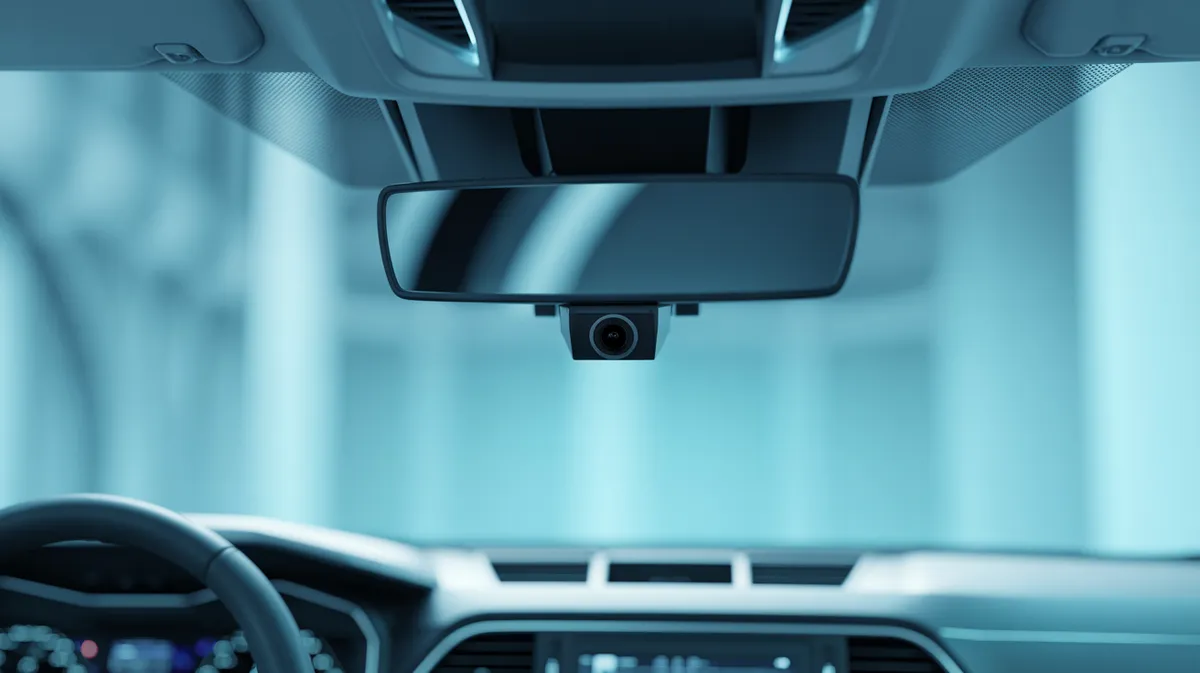
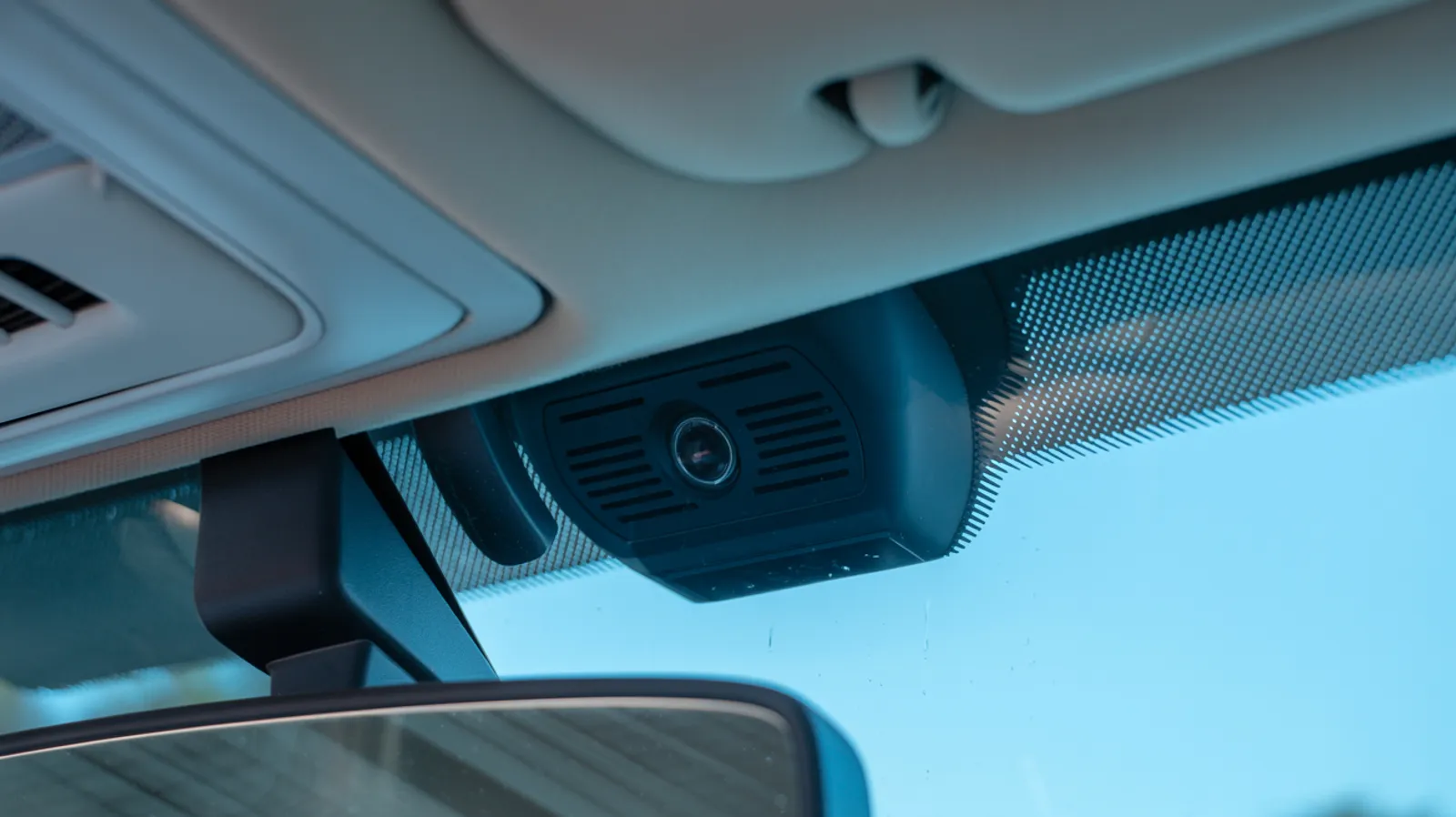
Advanced Driver-Assistance Systems — lane-keeping assist, automatic emergency braking, adaptive cruise, forward-collision warning — rely on a forward-facing camera mounted at the top of the windshield, looking through the glass. Calibration is the procedure that re-teaches that camera exactly where "straight ahead" and "level" are, relative to the vehicle, after the glass it looks through has been removed and replaced.
It is not a reset button. It's a measured alignment, and the measurement standard comes from your vehicle's manufacturer.
The single biggest cost driver: which procedure your vehicle requires
Every other factor is secondary to this one. Manufacturers specify one of three approaches, and they are not interchangeable.
| Procedure | Where it happens | What it demands | Effect on cost |
|---|---|---|---|
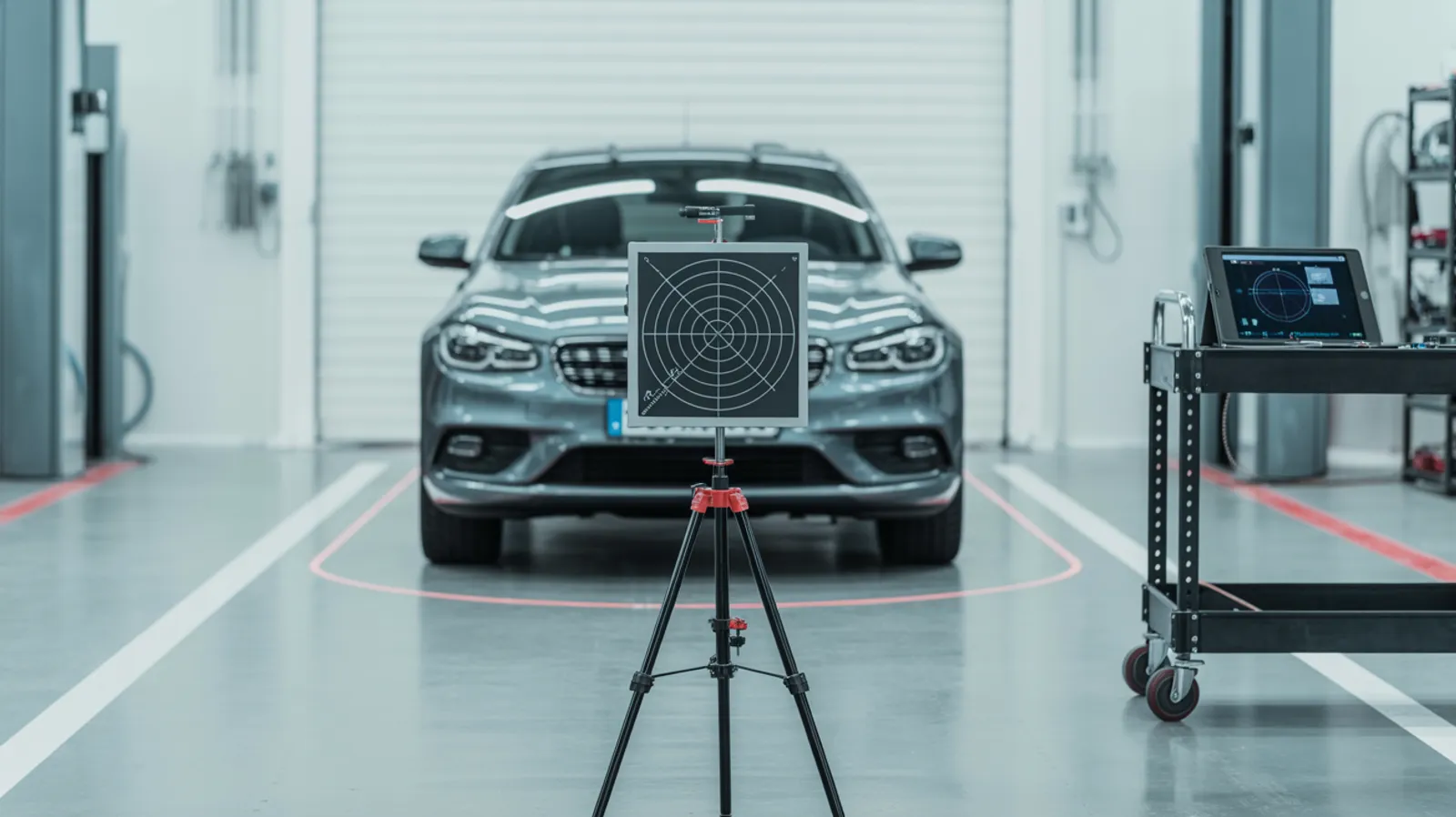
| Static | In the shop | Level floor, measured clearances around the vehicle, OEM-specified target boards, controlled lighting, scan tool | Higher — it consumes bay space and setup time |
| Dynamic | On the road | A technician driving at specified speeds under specified conditions, with the scan tool running | Moderate — less setup, but real technician road time |
| Dual (both) | Shop, then road | The full static setup followed by a road procedure | Highest — you're paying for two procedures, not one |
You don't get to pick. If your OEM's service procedure calls for a static calibration followed by a road drive, a dynamic-only shortcut isn't a cheaper version of the job — it's an incomplete one.
This is also why the honest answer to "what does calibration cost" starts with "what do you drive." A common sedan with a single forward camera and a dynamic-only procedure is a different job from a truck or luxury vehicle requiring a full static setup.
The other factors that move the number
Number of systems that need calibrating
The windshield camera is the one triggered by glass work, but some vehicles link that camera to other sensors — radar, surround-view cameras, blind-spot modules. When the OEM procedure requires those to be verified or re-aligned alongside the camera, that's additional labor.
The scan tool and software subscription
Calibration requires a scan tool that speaks your vehicle's language, plus current software for its year and model. That tooling is a genuine, ongoing cost of doing the work correctly — shops carry it, and it's part of what the calibration line pays for. We run Autel calibration equipment and keep our ADAS-certified technicians current on it.
Shop space and setup time
A static calibration is not something you can do in a driveway. It needs a level floor, specific clearance in front of and around the vehicle, and lighting that won't confuse the camera. Bay space is a real cost, which is why static procedures price higher than road-drive ones.
It also affects logistics: we run mobile auto glass service across the Valley, but a vehicle requiring a static calibration needs to come to the shop for that step. If a shop offers to fully calibrate a static-procedure vehicle in your office parking lot, ask exactly how.
In-house vs. sublet
This is the hidden one. Plenty of glass shops don't calibrate — they replace your windshield and send you to a dealership or a third-party calibration center. That sublet gets marked up, and it costs you a second appointment and another half-day.
We handle recalibration in-house — typically about 30 minutes, performed after the install once the adhesive has set — as part of the same windshield replacement visit. One appointment, one invoice, one shop accountable for the result.
Glass choice, indirectly
The camera reads the road through the windshield, so the optical quality of the glass in the camera's field of view matters. Choosing the right glass for a camera-equipped vehicle is part of getting a clean calibration — and glass that fights the calibration can turn a routine procedure into a long one.
What a quote should actually tell you
Ask for these four things. A shop that can answer them quickly is a shop that does the work.
- Which procedure my vehicle requires — static, dynamic, or both.
- Whether calibration is done in-house or sublet, and if sublet, who does it and when.
- What the calibration line covers — the procedure itself, the scan, and confirmation that the systems read correctly before you leave.
- What happens if it doesn't calibrate on the first attempt. Sometimes an alignment issue, a prior repair, or a sensor fault surfaces during the procedure. You want to know how that's handled before it happens, not after.
How insurance changes what you actually pay
For most drivers, the number that matters isn't the calibration price — it's the out-of-pocket after insurance. Calibration is frequently covered when it's a required step of a covered windshield replacement, because it's not an upgrade; it's part of returning the vehicle to its pre-loss condition.
That said, coverage varies by policy and insurer, and we won't tell you what yours covers without checking. We work with all major insurers and file the claim for you, which means we verify coverage up front and you find out where you stand before the work starts. If you'd rather see how the whole replacement price comes together first, our windshield replacement cost guide breaks down the glass side of the invoice.
Two Arizona-specific wrinkles
Dynamic procedures depend on conditions. A road calibration needs clear lane markings and stable visibility. During monsoon season, a dust storm or a hard afternoon downpour can push a road-drive step to the next window — not a cost issue, but a scheduling one worth knowing about when you book.
Valley driving means you'll need this more than once, eventually. Freeway gravel on the 101 and the 10 chips windshields constantly, and our heat turns chips into cracks fast. The cheapest ADAS calibration is the one you don't need because a chip got fixed before it spread — a chip repair takes about 15 minutes and leaves your camera's glass untouched. That's the real cost lever most drivers overlook.
Getting a number for your vehicle
We're not going to publish a price for a job that legitimately varies by manufacturer procedure. What we'll do instead is tell you, specifically, what your vehicle requires and what it costs — free, within two hours during business hours, and usually with next-business-day availability.
We also price match valid written quotes, so if you've got a number from another shop, bring it. And if you're having a windshield replaced with us, your first chip repair is free.
Have the year, make, and model handy and text or call (480) 525-0335. We'll tell you which calibration procedure your vehicle takes, whether it can be done in one visit, and what your insurance is likely to cover — before you commit to anything.
Need auto glass service in Phoenix?
Free estimate within 2 hours, mobile service, and insurance handled. Let's get you back on the road.
Frequently asked questions
Yes. Calibration is distinct work from the glass and install, and a good quote shows it separately so you can see what you're paying for. Ask which procedure your vehicle requires — static, dynamic, or both — and whether it's performed in-house or sublet to another shop, since sublet work often adds cost and a second appointment.
Often, yes, when the calibration is a required step of a covered windshield replacement — but coverage varies by policy and insurer. Glass Detail works with all major insurers and files the claim for you, so we verify what your policy covers before any work starts rather than surprising you with it afterward.
No. Most vehicles won't set a fault code simply because the camera's aim shifted a few degrees — the system still believes it's working. That's exactly what makes an uncalibrated camera dangerous: lane-keeping and automatic braking behave confidently while reading the road from the wrong reference point.